
Alberta Clippers: What They Are
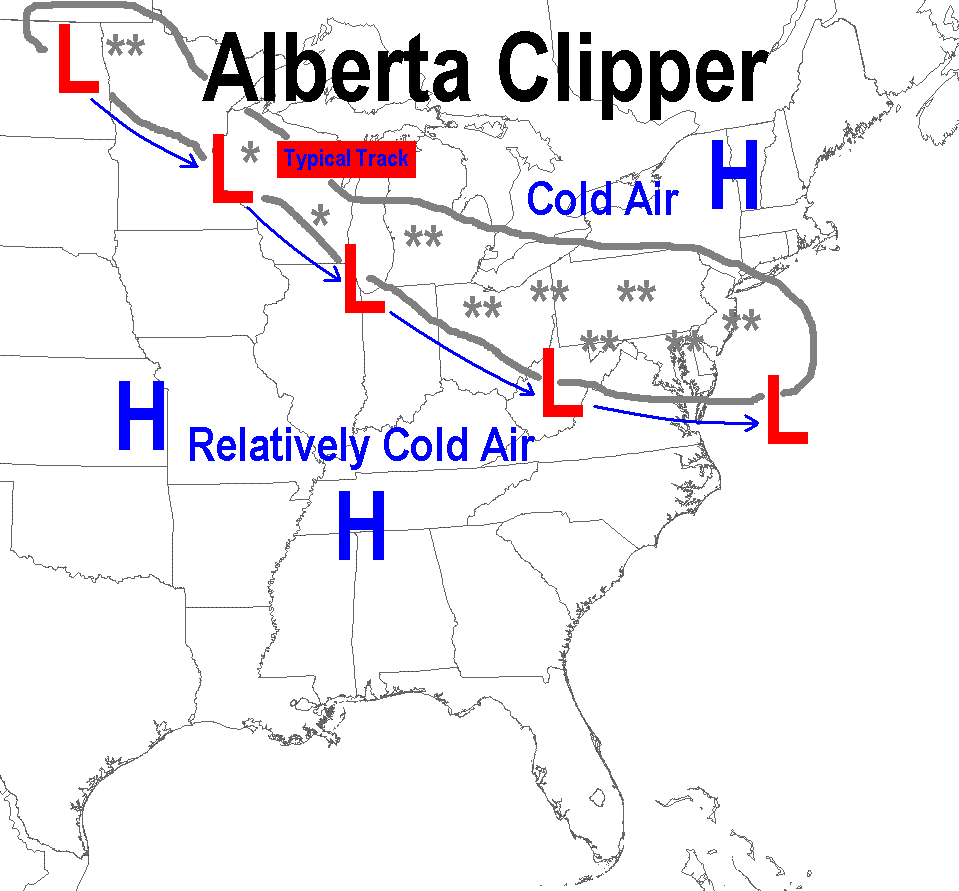
This image shows the typical path of an Alberta Clipper. Image from The National Weather Service
If you live somewhere that experiences a winter season, you’ve likely heard of an Alberta Clipper. They may sound like a major storm, but they are actually over very quickly. They bring cold air, drop a minor amount of snow, and disappear before you get a chance to check it out on the radar.
Where They Come From
Most clippers form in Alberta, Canada, or the nearby area. That region is frigid in winter and experiences strong upper level winds. As Arctic air moves south over the Canadian Rockies, a sharp temperature contrast leads to the formation of a compact, intense low-pressure system. Once the jet stream takes hold, the system accelerates southeastward. Once they enter the US, they travel across the Great Plains and down through the Great Lakes. If the lakes are warm enough, the cold air behind a Clipper can turn the lake effect machine on.
Why Are They Called A Clipper?
The name comes from the 1800s. Clipper ships were built to travel across the ocean at high speeds. They were named after these ships because of the rapid move across the country. So, since they originate in Alberta and move like a Clipper, you end up with “Alberta Clipper”.
How They Differ From Big Winter Storms
Most of the winter storms we see carry a lot of moisture and dump significant snowfall. Clippers don’t do that. They travel through cold, dry air, so they don’t have much snow to drop.
The snow generally doesn’t last long, and accumulations are usually only 1-3 inches. They tend to drop temperatures quickly and increase winds, reducing visibility and making it feel much colder.
Final Thoughts
Alberta Clippers may not look like much on the map, but they are part of winter and make forecasting interesting. They are fast-moving and can change the feel of the day in a matter of hours. Even though they don’t produce large amounts of snowfall, the rapid temperature drop and winds they generate affect the regions they hit.